





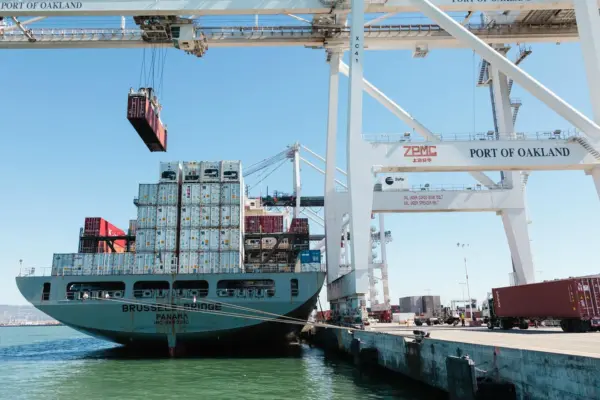
Global container trade maintains strong growth
Global container volumes have risen 5% year-on-year, but escalating freight prices highlight mounting pressures across shipping markets

Global container trade maintained strong momentum in the third quarter of 2026, with volumes reaching 52.2 million teu, up 2.4% on the previous quarter, according to Container Trades Statistics (CTS).
September liftings totalled 17.35 million teu, representing an 8% increase year-on-year, despite a modest 1.4% monthly decline following August’s record performance. Year-to-date volumes remained 5% higher than the corresponding period in 2025, underlining the resilience of international trade amid geopolitical and economic uncertainty.
CTS said the figures demonstrated ‘the sustained strength of global container trade throughout the year’, with year-to-date growth consistently around 5% since June.
However, rising freight costs are highlighting the pressures facing carriers and shippers. The CTS Global Price Index climbed 5.1% month-on-month in September to 123 points, standing 62% above its level a year earlier.
The organisation noted: “The sustained increase in the Global Price Index reflects the mounting pressures affecting the container shipping market.”
Disruption to major shipping routes, capacity constraints and higher operating costs continue to influence pricing, despite robust cargo demand.
Regional figures also revealed shifting trade patterns. North American imports increased 9% year-on-year in Q3, improving on the 7% growth recorded in Q2. The Indian Sub-Continent and Middle East returned to quarterly import growth for the first time following earlier disruption.
On the export side, the Far East and Sub-Saharan Africa led regional performance, both recording 8% year-on-year growth. European exports increased 3%, although the region continued to import approximately 1.5 containers for every container exported.
Looking ahead, CTS highlighted the Gulf crisis, Panama Canal constraints, port congestion and high terminal utilisation as continuing risks.
It questioned whether September’s monthly decline was simply a correction after August’s record volumes or an early indication of broader market moderation as the final quarter begins.

Related Articles
 INSIGHT & OPINION
 TERMINAL OPERATIONS
 INSIGHT & OPINION