


Ports pivotal to UK infrastructure
Ports could transform UK infrastructure delivery by cutting construction costs, carbon emissions and supply chain congestion
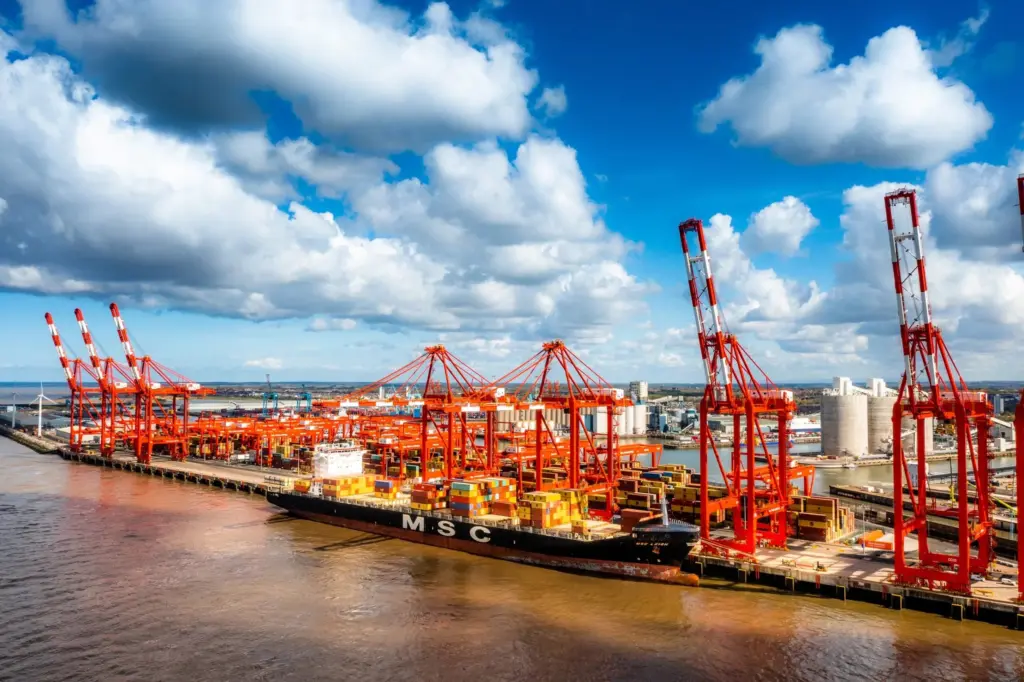
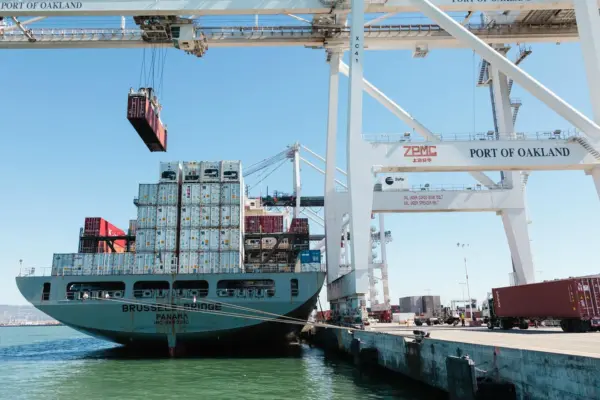
UK ports could play a pivotal role in delivering major infrastructure projects, reducing construction costs, cutting carbon emissions and easing pressure on congested road networks, according to Peel Ports Group chief executive David Huck.
Speaking to New Civil Engineer, Huck said changing market conditions, including domestic production closures, increased imports, high energy costs and labour shortages, were creating an opportunity to rethink how construction materials reach project sites.
“There’s a huge shift to importing because of decarbonisation and ports are going to play a pivotal role in the future of the construction sector. It’s transformational,” he said.
Peel Ports, which handles more than 70 million tonnes of cargo annually, is developing a construction-sector ecosystem based on its port-to-project approach. This involves using port estates as consolidation, storage and processing hubs, effectively creating virtual quarries close to deep-water shipping facilities.
Huck said: “Choosing a deep water, port-centric virtual quarry as opposed to traditional modes can take a significant amount of cost out of the construction supply chain, because you’re cutting out the cost, carbon and congestion.”
The approach allows large quantities of aggregates, cement, steel and timber to arrive by sea before being distributed to infrastructure projects, potentially using rail and water rather than relying on heavy goods vehicles.
One example is Peel Ports’ Sustainable Construction Partner programme, supported by companies including Ecocem and Holcim. Its pilot hub at London Medway is supporting projects including the Lower Thames Crossing.
The group is also involved in major developments including Sizewell C and the HyNet North West carbon capture cluster.
Huck believes traditional procurement practices must change to unlock these opportunities.
“Sometimes you need to rip up your traditional routes to projects and look at things through a different lens,” he said.
He added that port-centric logistics could deliver substantial savings while supporting the government’s infrastructure and decarbonisation ambitions.

Related Articles
 INSIGHT & OPINION
 INSIGHT & OPINION
 PORT & TERMINAL NEWS