


Suez return triggers European port congestion
Renewed Suez Canal routings are disrupting Asia-UK container shipments, increasing European port congestion, delays and logistics costs
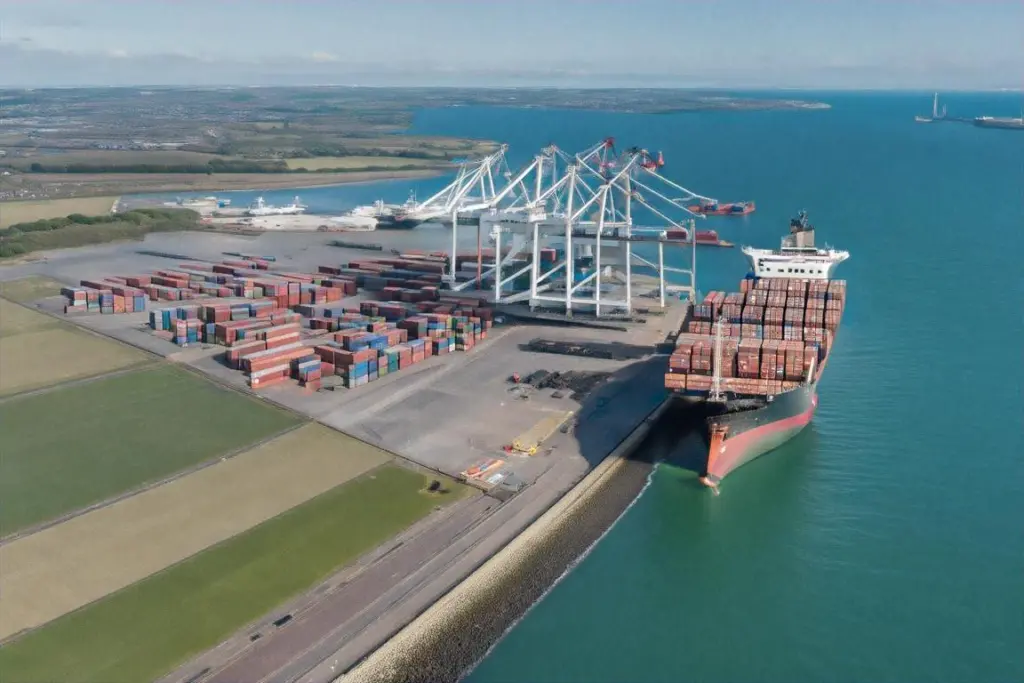
The return of container shipping lines to the Suez Canal route is causing congestion at major European ports and delaying shipments from Asia to the UK, according to freight forwarder Davies Turner.
The company says vessels previously diverted around the Cape of Good Hope are now arriving alongside ships using the shorter Suez route, creating a concentration of arrivals at key European hubs.
Tony Cole, director of ocean at Davies Turner, says the change is disrupting established shipping schedules and affecting the onward movement of UK-bound cargo.
Some carriers have discharged containers at European ports rather than their originally scheduled UK destinations. However, they have committed to recovery plans to transport affected cargo to its booked destination.
These arrangements generally involve carriers organising onward transportation and covering additional port charges. However, delivery times can vary depending on vessel availability and congestion, with containers potentially requiring transfers between multiple vessels.
Davies Turner is urging importers to think carefully before requesting a change of destination (COD) to collect containers directly from European ports.
Carriers may impose significant COD fees, while freight rates could be reassessed at current market levels. Importers must also consider European customs requirements, upfront release charges, empty container returns and potential demurrage and detention costs.
Cole’s advice is to establish a strong business case before pursuing a COD, as waiting for the carrier’s recovery arrangements could prove quicker and more economical.
The disruption is also putting pressure on UK haulage capacity. Late changes to feeder vessel loading plans are making arrivals harder to predict, complicating inland transport arrangements.
Meanwhile, congestion is causing some ports to refuse empty container returns, keeping containers on chassis for longer and reducing equipment availability.
Increased demand for haulage, alongside the risk of quay rent, demurrage and detention charges, is adding further pressure to importers already facing uncertain delivery schedules.
Related Articles
 CONCESSIONS & INVESTMENTS
 EXPANSION & DEVELOPMENT
 OTHER NEWS