

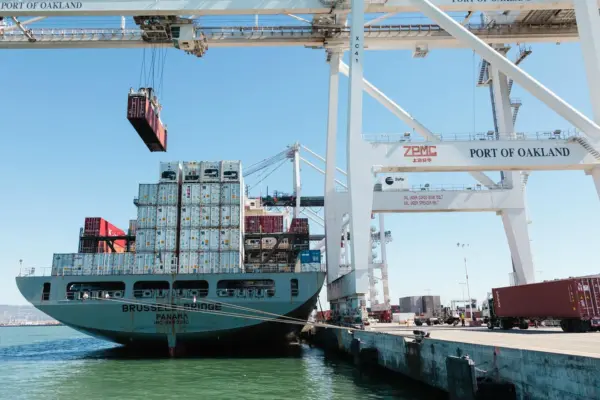
Port of Antwerp-Bruges bounces back
Container throughput recovered in the third quarter following a disrupted start to 2026, the Port of Antwerp-Bruges reports.
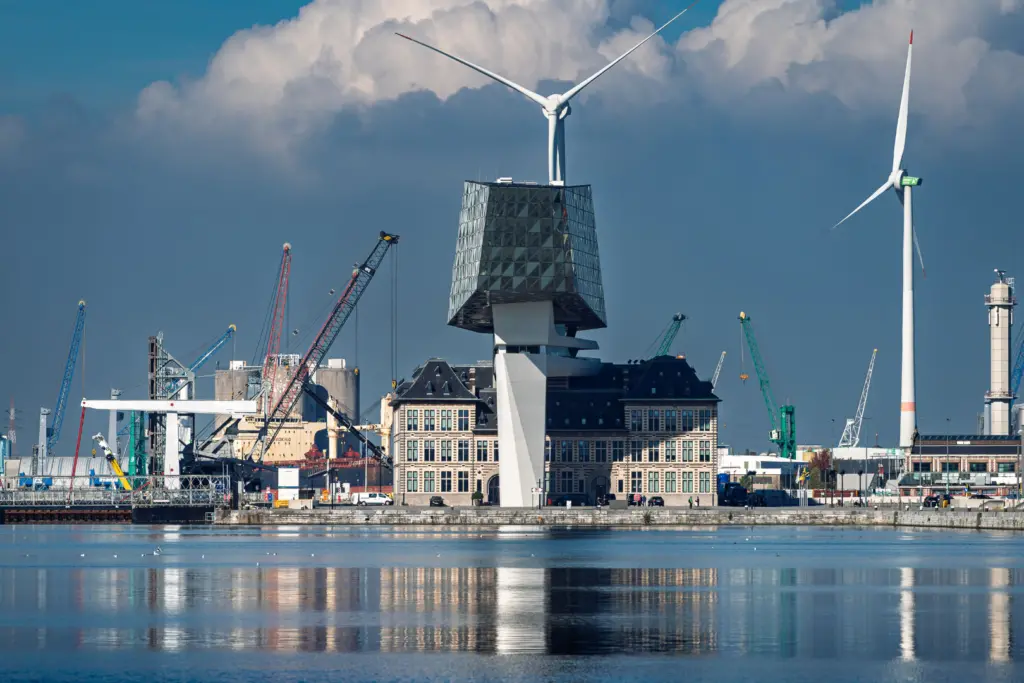
It is nothing surprising to say that recent geopolitical tensions have increased disruption for ports globally. And yet, the Port of Antwerp-Bruges, following a loss of throughputs in the first nine months of the year, now reports rebounds, despite wider cargo pressures continuing.
The port recorded its strongest container quarter since late 2020 in the third quarter of 2026, helping container throughput rise by 1.2% in TEUs over the first nine months of the year.
The recovery follows a challenging first half of the year, in which shipping was disrupted by adverse weather conditions, nautical strikes and an oil spill in the Deurganck Dock. Though the start to the third quarter also faced significant setback due to a damaged container carrying hydrofluoric acid in mid-July, the disruption was not permanently destructive as the port witnessed increased traffic.
Despite the improvement, total goods throughout are reported by be down 0.8% in the first nine months, with the total freight coming to 200.9 million tonnes. 2026 so far has shown a trend towards repositioning empty containers, particularly towards Asia with empty containers throughout increasing by 11.7% in TEUs, while full container volumes fell by 1.3%.
Performance across other cargo types was mixed. Dry bulk, for example, grew by 13%, mainly due to higher iron ore and other ore volumes. Conventional general cargo fell by 16.6%, largely reflecting a 17.5% decline in iron and steel, while liquid bulk also remained under pressure amid high energy prices and weak industrial demand.
As Rob Smeets, the CEO of the port said, “Trade barriers, high energy prices, and a weak European industrial sector are putting pressure on several cargo flows.”
Geopolitical tensions are also reshaping trade routes. Container exports to the Persian Gulf fell by 70%, while exports to other parts of the Middle East nearly quintupled.
Johan Klaps, the chairman on the board of directors, said, “Geopolitical tensions and trade conflicts are increasingly dictating global cargo flows. This makes it essential to diversify our trade relations and tap into new growth markets.”
“India presents significant potential in this regard. The EU free trade agreement has the potential to deliver a further impetus to trade volumes. Port of Antwerp-Bruges intends to leverage these opportunities to reinforce its position as a primary gateway connecting India and Europe.”
Related Articles
 CONTAINER & CARGO HANDLING
 EXPANSION & DEVELOPMENT
 PORT & TERMINAL NEWS