



Durban Fightback Begins
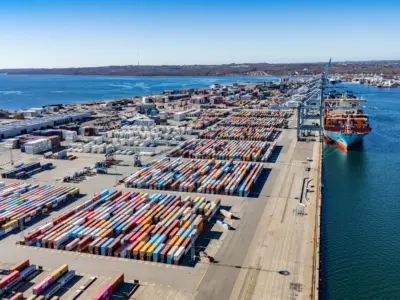
While port congestion has recently been a problem all round the world it is fair to say the problem has been particularly acute at the port of Durban container terminals which include the Durban Gateway Terminal (DGT), operated by International Container Terminal Services Inc (ICTSI) in partnership with Transnet since January this year.
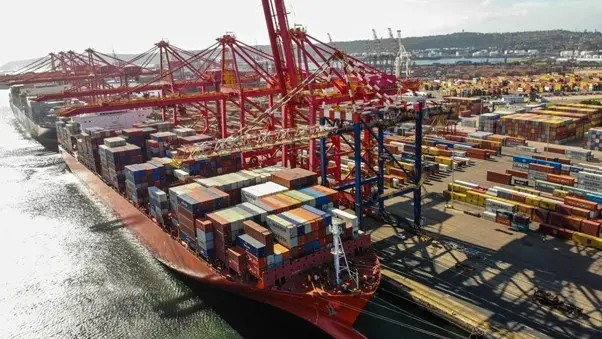
ICTSI has the lead in terms of operations at DGT and has been fighting an uphill battle since it gained access to the terminal, following its successful defence of a legal challenge by APM Terminals to the award of the DGT concession.
The duration of the APMT challenge was approximately 18 to 19 months, running from March/April 2024 until its dismissal in October 2025. This followed on from Transnet naming ICTSI as the preferred bidder for the 25-year concession in July 2023.
The reality of this delay and the negative consequences it had for putting the terminal on the right operational footing has, understandably, been easily forgotten while DGT has been sitting in the eye of the hurricane of port congestion. It has faced considerable criticism from shipping lines and cargo owners who naturally are not concerned with matters of history but the base task of keeping cargo moving. It is nevertheless the case that what can be termed influential legacy factors have played their part in slowing the upgrade of operations at DGT. Had the starting pistol been able to be fired earlier then DGT would undoubtedly have been better prepared to face the exceptional challenges – from geopolitical factors to very bad weather – that fired congestion into a daily reality for most ports around the world.
TURNAROUND
At the macro level, slowly but surely there are signs that the congestion crisis worldwide is abating. Q1 2027 is referenced by many analysts as when more normal conditions can be expected.
DGT has also just announced a refurbishment programme and the procurement of additional handling equipment “to bridge the gap between the present time and when an entirely new fleet of equipment will be deployed.” The programme represents the first step in tackling what it identifies as years of under investment and poor maintenance which DGT reports has led to the problems at the heart of DGT’s impaired performance – the poor and unsafe condition of equipment at the facility.
Key elements of the programme announced comprise:
- OEMs deployed on-site for the refurbishment and repair of existing ship-to-shore cranes and straddle carriers. The uptime/availability has shown constant improvement since this was initiated.
- 10 x new reach stackers/empty container handlers delivered by the end of November 2026.
- 26 x second-hand straddle carriers to be delivered in two batches at the end of Q1 2027.
- 12 x new straddle carriers to be delivered by Q3 2027.
- 16 x new RTGs to be delivered in two batches (December 2027 / March 2028)
- Installation of additional generators and UPS to cope with the instability of the existing power supply.
DGT further points out in an IT context: “Our new Terminal Operating System (NAVIS N4) is running smoothly and assisting the operational recovery.” And adds: “The next major milestone is the implementation of a new truck appointment system, which is currently ongoing. The present dwell time for import full containers from discharge to release is 3 days at DGT.”
Similarly with vessel handling DGT states that it is: “coordinating closely with TNPA to ensure tug and pilot availability, and working closely with Transnet to offer shipping lines alternative berthing options at DCT1, Maydon Wharf (berth 102) and NCT.”
DGT has not entirely turned a corner as yet but, step-by-step, ICTSI, in conjunction with Transnet and the workforce, is working hard to raise terminal performance in line with industry standard KPIs with continuous improvement ongoing beyond this.
Related Articles
 OTHER NEWS
 OTHER NEWS