


Hamburg terminal disruptions hit throughput
Automation delays and strikes have reduced Hamburg port throughput, forcing HHLA to lower its 2026 earnings forecast
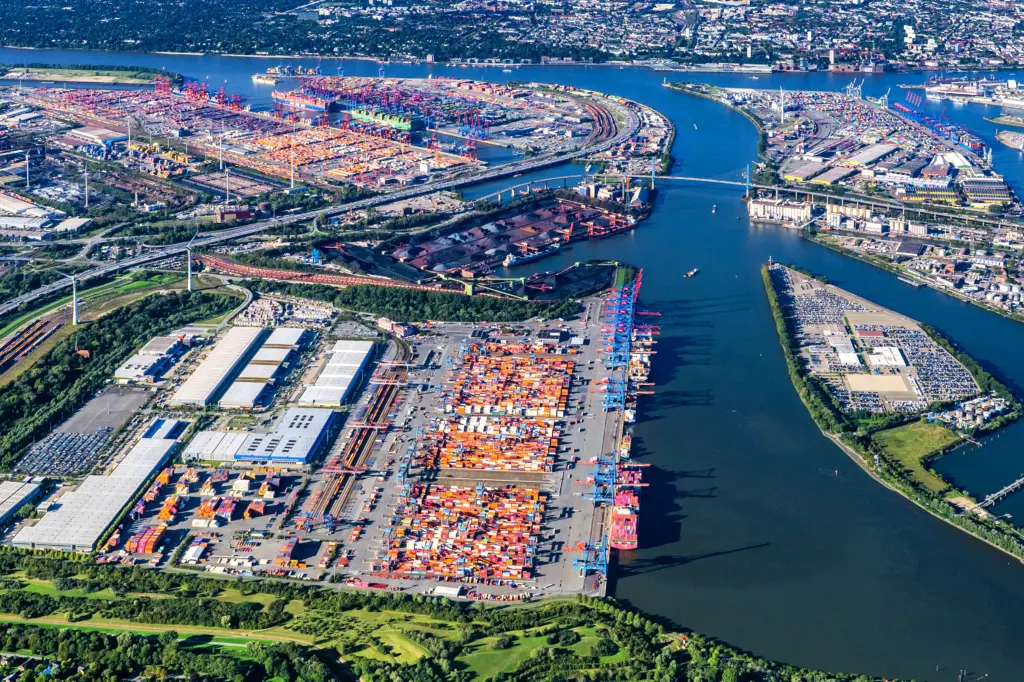
Hamburger Hafen und Logistik (HHLA) has reported a 7.3% decline in container throughput during the first nine months of 2026, as automation works and strike-related disruption affected operations at its Hamburg terminals.
The company handled 4.446 million teu across its container terminals between January and September, down from 4.798 million teu during the corresponding period last year. Throughput at its Hamburg facilities fell 7.7% to 4.2 million teu, with ongoing modernisation projects, adverse weather and changing international trade flows also contributing to the decline.
HHLA chief executive Jeroen Eijsink said: “We have made good progress with our transformation agenda, but operationally we are not yet where we want to be. Our focus is therefore clearly on stabilising automated processes and significantly improving the quality of handling operations.”
The third-quarter performance was particularly affected by the ramp-up of further automation at Hamburg’s container terminals, alongside industrial action. Higher personnel and energy costs, together with productivity restrictions associated with the automation programme, also contributed to a 51.3% fall in Container segment operating profit to €29.4 million.
Across HHLA’s international container terminals, throughput declined 1.6% to 246,000 teu. Geopolitical tensions and security concerns affected cargo movements, with operations at its CTO terminal almost coming to a standstill during the third quarter.
Despite the weaker port performance, group revenue increased 3.3% to €1.375 billion. However, operating profit fell 30.7% to €81.2 million.
HHLA has lowered its 2026 group EBIT forecast to between €115 million and €135 million, while expected capital expenditure has been reduced to between €380 million and €430 million, partly reflecting changes to the scheduling of terminal automation projects.

Related Articles
 EXPANSION & DEVELOPMENT
 PORT & TERMINAL NEWS
 PORT & TERMINAL NEWS