






Shipping’s decarbonisation hinges on efficiency
Achieving shipping’s 2030 decarbonisation target of a 20% reduction in emissions hinges on significant energy savings, according to DNV.
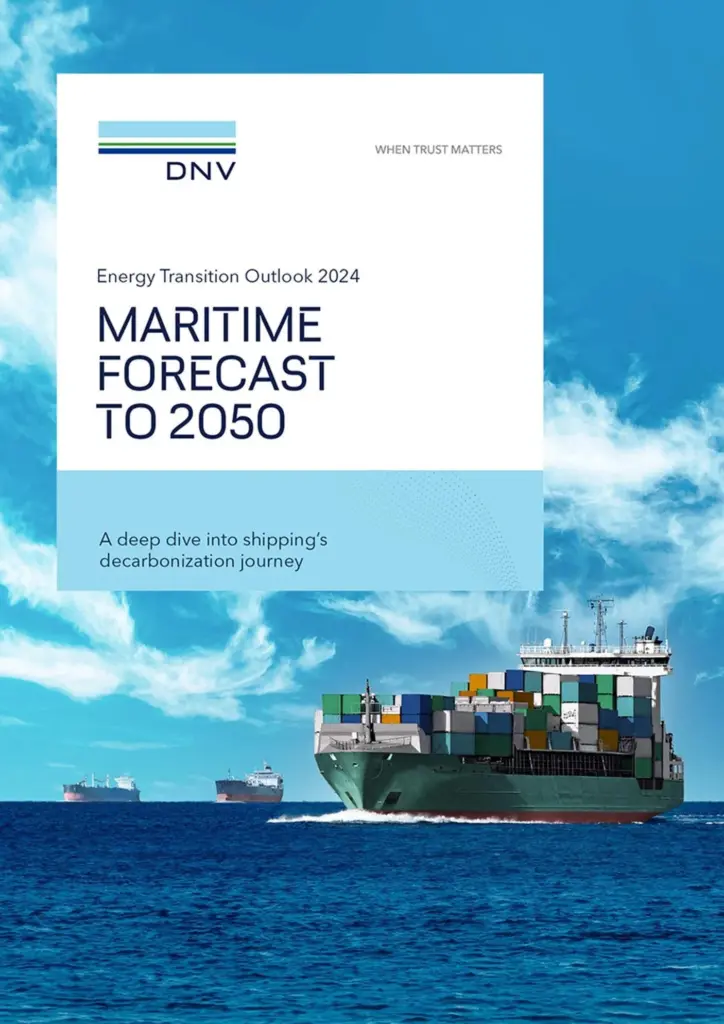
In the classification society’s ‘Maritime Forecast to 2050’ report, DNV stresses that, until carbon-neutral fuels become viable, prioritising energy-saving technologies is crucial for reducing emissions.
“While we are currently witnessing a slowdown of decarbonisation in shipping, we are entering an era of unprecedented technological exploration that will drive progress forward,” said Knut Ørbeck-Nilssen, chief executive of DNV Maritime.
“Prioritising energy efficiency, leveraging technological solutions, and embracing digitalisation are key steps towards reducing the extra cost burden and achieving our decarbonisation goals.”
Shipping will require between 7 and 48 million tonnes of oil equivalent (Mtoe) of carbon-neutral fuels to meet the International Maritime Organisation’s 2030 target. However, with global production of these fuels expected to reach only 44-63 Mtoe by 2030, it will be challenging for shipping to secure its needed share.
The report presents four scenarios, projecting cost increases for different vessel types, and highlights the importance of reducing energy losses, which could cut emissions by 16% by 2030.
Onboard carbon capture, shore power, and digitalisation are identified as key technologies for improving energy efficiency and reducing reliance on costly carbon-neutral fuels, while enabling the continued use of conventional fuels.
“Our latest analyses show that decarbonising shipping could double the cost of transporting goods by containers”, said Eirik Ovrum, principal consultant and lead author of ‘Maritime Forecast to 2050’.
“To remain competitive, shipowners must develop and execute strategic fleet management plans. Our new report outlines how digitalisation can shed light on vessel performance. Data-driven decision making can then be used to design the next-generation of energy efficient ships which are key to the sector’s long-term success.”
Related Articles
 EXPANSION & DEVELOPMENT
 PORT & TERMINAL NEWS
 PORT & TERMINAL NEWS