



Raising the bar for smaller harbours
Salcombe Harbour on the Devon coast of the UK has signed up to the European Sea Ports Organisation (ESPO) EcoPort scheme proving that it’s not just large ports that can make a difference to their environmental footprint.
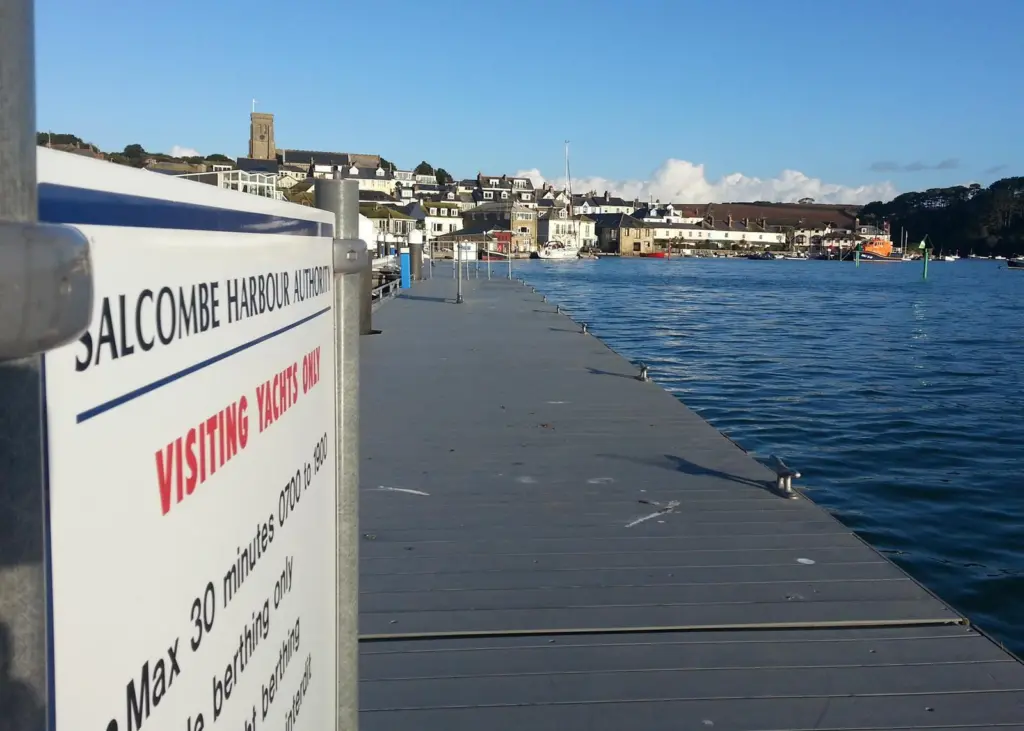
Salcombe is blessed by its location – it’s in the middle of an Area of Outstanding Natural Beauty (AONB), a Site of Special Scientific interest (SSI) and a nature reserve, but this does mean that it has added pressure to be a good environmental steward.
Adam Parnell, Salcombe harbourmaster, told GreenPort: “The scheme is a great way to benchmark what we do well already and how to improve our performance going forward. Although we’re at the other end of the scale from the larger commercial ports, we have excellent water quality and we are very proactive in educating visitors and locals in order to maintain and improve the estuary.”
He said that the harbour has good recycling facilities, conducts beach cleaning, promotes phosphate free cleaning materials and has free pump out facilities for vessels. It also works closely with the environmental officer at South Hams District Council to liaise with farms and local business owners when it comes to environmental issues landside.
Going forward, he told GP that the harbour will continue to conduct regular environmental audits and manage emissions by monitoring resources and reducing needless journeys.
It is currently updating its environmental management system and working with the local water company to ensure that the harbour’s sewage systems are updated in accordance with the rest of the local sewage network.
EcoPorts status is gained by using a Self Diagnosis Method (SDM) for identifying environmental risk and establishing priorities for action and compliance.
The ESPO Port Environmental Review System (PERS) is the only recognised port-sector specific standard specifically designed to assist port authorities with the functional organisation necessary to deliver the goals of sustainable development. It incorporates recognised environmental management standards including ISO 14001.
Related Articles
 ALTERNATIVE FUELS GREENPORT