




Barcelona advances cruise terminal reorganisation
Barcelona has approved a €104.5 million Terminal C redevelopment, reducing cruise terminals from seven to five and modernising Adossat wharf
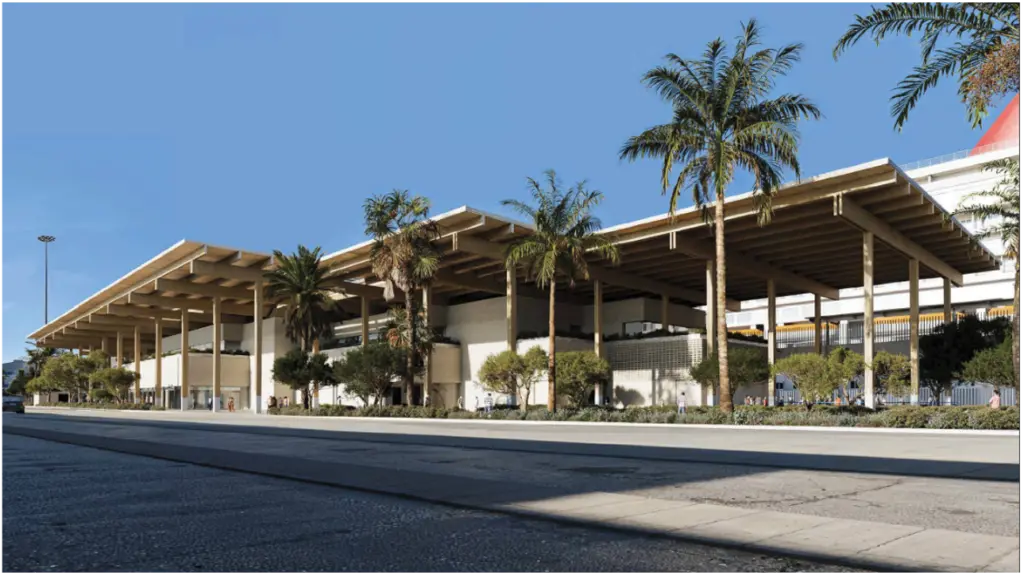
The Port of Barcelona has approved plans to redevelop its cruise facilities at Adossat wharf, marking a further step towards reducing the number of terminals from seven to five.
The management board has authorised a revision of Creuers del Port de Barcelona’s concession for passenger terminals A and B, allowing construction of a replacement Terminal C. Once the new facility enters service, existing terminals A and B will be demolished. Operations at the current Terminal C are scheduled to end on 31 October, followed by its clearance and demolition.
The project forms part of an agreement signed between the port and Barcelona City Council in July 2025 to reorganise cruise activity and improve its sustainability.
The proposed new Terminal C will occupy 11,253 square metres on the site of the existing building. It will incorporate photovoltaic power generation and onshore power supply systems, enabling cruise ships to connect to the electricity grid while alongside.
The €104.5 million investment also includes relocating the access roundabout, constructing roads and intermodal areas, and providing a new passenger walkway. The terminal will be publicly accessible and available for general use. More than €50 million of the investment is allocated to the terminal building itself.
The revised concession will run until 2050, with an extension option to 2053, replacing the previous expiry date of 2030, extendable to 2033.
The replacement terminal will also pave the way for a comprehensive renovation of a 660-metre section of Adossat wharf, originally built more than 70 years ago. Works are expected to begin in late 2029, following a tender process, with a 24-month construction period and a budget of €42 million.
Separately, the board approved a tender for port infrastructure and building maintenance services. The five-year contract has an indicative budget of €11.88 million, excluding VAT, and requires round-the-clock emergency availability throughout the year.

Related Articles
 PORT & TERMINAL NEWS
 EXPANSION & DEVELOPMENT
 DIGITAL