





Port police demise creates crime window
Canadian ports need dedicated police to help tackle crime including the increasing theft of vehicles which are being exported through ports, a new report has found.
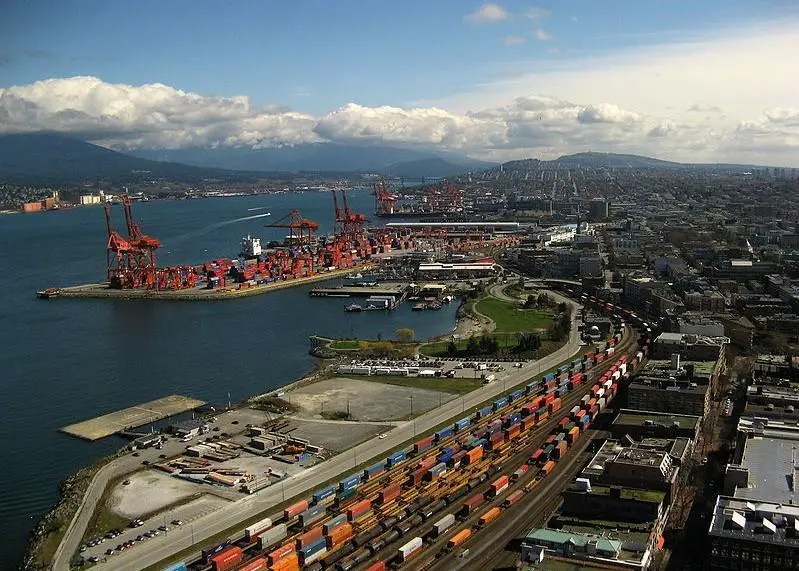
Former senior Royal Canadian Mounted Police (RCMP) officer Peter German’s independent review on money laundering through luxury cars and horse racing, part-published by the Province of British Columbia, said that vehicle theft rings are using ports to export stolen vehicles overseas, but ports no longer have the police presence required to tackle this issue since the demise of the Ports Canada Police in 1997.
“Canadian ports, including Vancouver, Surrey and Prince Rupert do not have a dedicated police presence. Since the demise of the Ports Canada Police in 1997, it has been left to municipal police to patrol docks and ports. In the post-9/11 world this is a serious gap in our law enforcement umbrella,” stated the report.
Seattle superior
Comparing police presence to Seattle, the report noted a “stark” difference, stating the Port of Seattle Police Department has 150 staff to police SeaTac Airport and the Seaport, including numerous specialised units. US federal authorities are also present at the ports, including border patrol and customs officers.
There is a need to address the export of illegally obtained vehicles from ports in Greater Vancouver and this is a subset of the larger issue of port enforcement, said the report.
IMPACT has recommended a joint police–Canada Border Services Agency unit, with secondments from ICBC and IBC. However, the report warned that although an “ad hoc arrangement such as that can target a specific commodity, without long-standing funding commitments and a permanent presence, it really is a temporary solution”.
The Port of Vancouver told Port Strategy: “As a Canadian port authority, our mandate is to facilitate the safe movement of Canada’s trade in a manner that protects the environment and considers local communities. The responsibility for policing the waterfront lies with several agencies, including local police forces, the RCMP and Canada Border Services Agency.
“As such, these agencies would be better able to speak to security on the waterfront and the best way to address it. Cargo-handling personnel are employed by port terminals through the British Columbia Maritime Employers Association, which approves employees for port access. The port authority works closely with these agencies to ensure the safety and security of the port.”
Related Articles
 PORT & TERMINAL NEWS
 PORT & TERMINAL NEWS
 OPERATIONS