

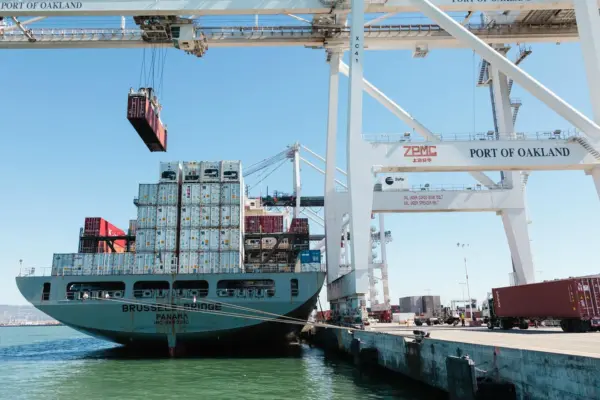
Stop press: Post election implications for STS 10 Santos
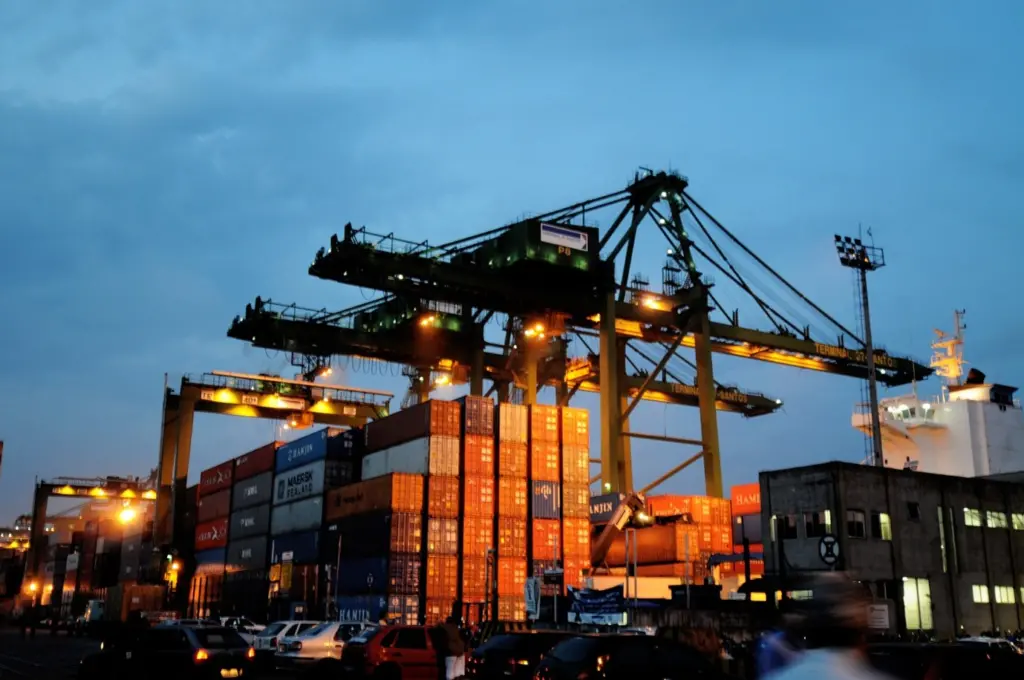
Against all the odds Luiz Inácio Lula da Silva has won the bitterly fought Presidential election in Brazil and it could be bad news for Maersk and MSC (bidding for the US$1.29 billion STS 10 Santos Container Terminal) and conversely good news for Chinese bidders, Cosco and China Port Holdings (who already operate a terminal in Paranaguá, south Brazil).
Lula fought off the challenge of Flavio Bolsonaro, son of jailed former president Jair Bolsonaro, with close to 52% of the vote, compared to just over 48% for the defeated candidate. This was despite losing the initial round of voting – the first time there has been such a turnaround since democracy was restored to South America’s biggest country in 1988. However, political life will be far from easy for President Lula, starting his fourth term in office at the age of 81, as, following recent elections, Congress is dominated by right-wing parties.
“Lula has won but it will be difficult for him to get much of his legislation passed with so many senators and federal deputies of a right-wing persuasion,” notes one Sao Paulo based shipping agent. “He will have to make deals with the non-committed and Lula is nothing if not pragmatic so we can expect a lot of horse trading.”
As veteran Brasilia watchers know, many of the smaller parties in Congress are also pragmatic, without clearly defined policies, and so will be inclined to make such deals and those include heading up various ministries including, possibly, the Ministry for Ports and Airports (MPor). The current minister is Silvio Costa Filho, but with re-jigging of portfolios in January (when Lula takes power), he could find himself looking for another post.
If he stays in post then Maersk and MSC’s bid to be included in the first round of the STS 10 mega terminal tender will likely be rejected. US President Trump backed Bolsonaro and had pressured Lula’s government not to allow Cosco and CPH to bid for STS 10, but now, with Lula having a good relationship with Chinese President Xi Jinping, it is highly likely they will be permitted to bid.
The predominance of right-wing parties in Brazil’s variegated political system (there are 22 different parties of which 10 are considered right wing and 6 independent) doesn’t necessarily mean no legislation will pass. In Sao Paulo, the well-respected right-of-centre governor, Tarcisio de Freitas (a former MPor Minister under Jair Bolsonaro), has worked closely with MPor and the Santos Port Authority regarding the construction of the Santos Tunnel project, which will unite the right and left banks of the port and transform port operations, showing that pragmatism for the sake of the country as a whole can work.

Related Articles
 SOUTH AMERICA
 PORT & TERMINAL NEWS
 PORT & TERMINAL NEWS