


Klaipėda launches billion-euro port expansion
Klaipėda has launched an investor tender for a €1 billion southern port expansion to create boost capacity
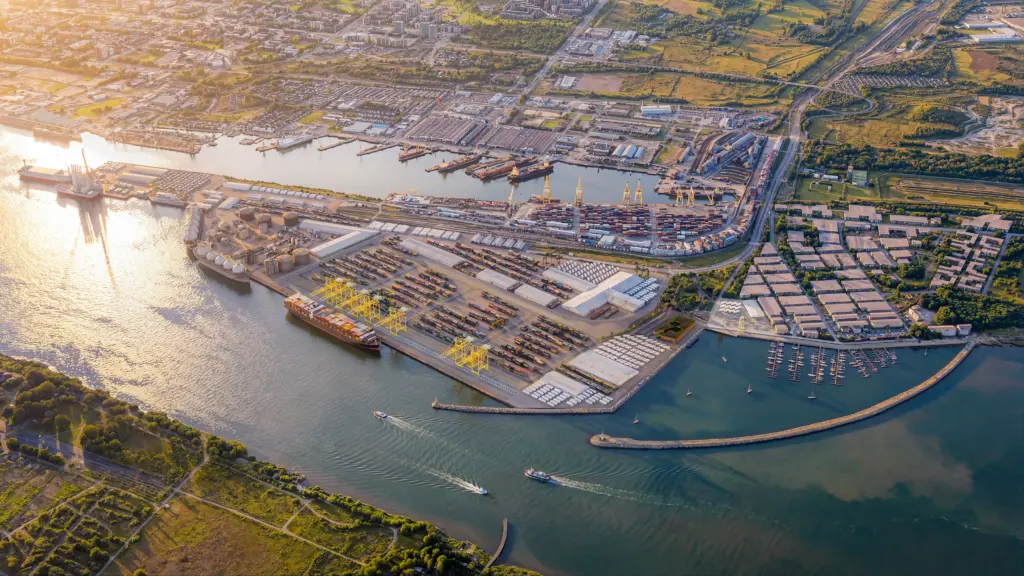
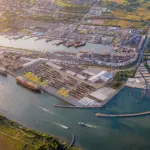
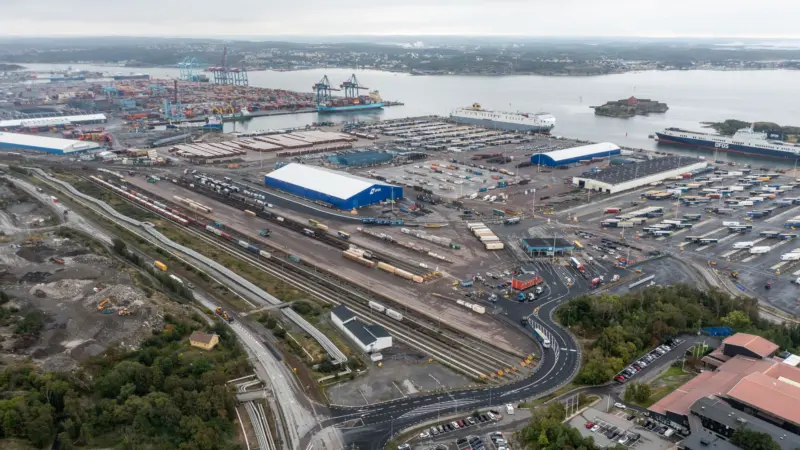
The Klaipėda State Seaport Authority has launched an international tender to attract strategic investors for the development of a new 100-hectare port area in southern Klaipėda, Lithuania, as part of an expansion project valued at more than €1 billion.
The development represents the largest expansion of the port in independent Lithuania’s history and aims to increase cargo-handling capacity, attract new maritime industries and strengthen the port’s long-term competitiveness.
Minister of Transport and Communications Juras Taminskas said: “This is the largest expansion of the Port of Klaipėda in the history of independent Lithuania. It is an investment that will strengthen the port’s competitiveness, generate billions of euros in value for our economy and improve security across the region.”
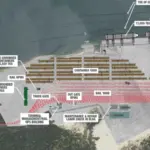
The project will involve creating 100 hectares of new land, constructing approximately 1.3km of quays, deepening part of the shipping channel and developing a 600-metre-wide vessel turning basin. New road and rail connections are also planned.
Infrastructure works are currently estimated to cost approximately €600 million. Future tenants will be required to contribute at least €300 million towards the investment if the entire area is leased, alongside funding their own facilities and equipment.
Klaipėda Port Authority director general Algis Latakas said the tender was intended to secure long-term investment partners rather than simply attract conventional tenants.
“A project of this scale calls for a different approach. We are not simply looking for tenants, but for partners who will join us from the very beginning, invest in the new infrastructure and prepare for the time when they can build production facilities, docks and warehouses or install cranes in the new area,” he said.
Lease agreements will run for 50 years, with applicants able to bid for the entire development or smaller sections.
An indicative masterplan allocates approximately 50 hectares for a container terminal capable of handling 1.5 million teu annually, with the remaining area designated for other port and maritime activities.

Related Articles
 INSIGHT & OPINION
 PORT & TERMINAL NEWS
 EXPANSION & DEVELOPMENT