Project Cargo and Breakbulk: Why Vessel Selection Starts with Collaboration

Konstantin Kalnyi, CEO & Founder of Kiev Shipping Ltd, speaks to Port Strategy about the intricacies of vessel selection, and the planning required to ensure the smooth transportation of breakbulk and project cargo

Screenshot 2026-09-21 090709
Konstantin Kalnyi is the CEO and Founder of Kiev Shipping Ltd and an international shipbroker with more than 25 years of experience. He specialises in vessel chartering and maritime brokerage for dry bulk, breakbulk and project cargoes and has arranged more than 350 voyages. Photo: Kiev Shipping Ltd

The project cargo and breakbulk sector is becoming increasingly complex, with larger and more specialised cargoes placing greater demands on vessels and ports. Multiple factors, not least cargo dimensions and port capabilities must be considered when choosing the correct vessel for shipping.

For Konstantin Kalnyi, CEO & Founder of Kiev Shipping Ltd, a Ukrainian independent shipbroker, this process is central to the role of the shipbroker. Drawing on more than 25 years of experience, Kalnyi explains the planning and collaboration required to ensure that complex project cargo can be transported safely and efficiently.


Starting with the cargo

Kalnyi highlighted how his approach as a shipbroker when matching a vessel to a shipment “does not begin with reviewing open vessel positions” but rather begins with a conversation with the charterer.

“A complete and accurate cargo description” must be obtained. This, Kalnyi explains, should include the cargo name, total weight, volume and stowage factor with no assumptions made for any shipment. The importance of this “cannot be overstated”.

There are clear limitations when information is passed on incorrectly, and it is here that the value of communication becomes apparent. When accurate information is not shared between the parties involved, the planning process can quickly break down.

Kalnyi draws on his own experience, involving a shipment of 2,750 tonnes of silicomanganese in big bags. “Despite my repeated requests, the cargo owner supplied incorrect package dimensions”, meaning that the cargo occupied “significantly more hold volume” than had been previously indicated.

This experience demonstrates the value, however, and the necessity of planning ahead when it comes to the shipping of project cargo and breakbulk. In this case, there was a positive outcome “because the vessel had sufficient spare capacity in its hold”.

Kalnyi had chosen a vessel with greater stowage capacity, allowing additional room for error when he suspected that the information he was receiving was not accurate. This foresight prevented what would otherwise have resulted in “vessel delays and serious commercial consequences”.


Turning to the port

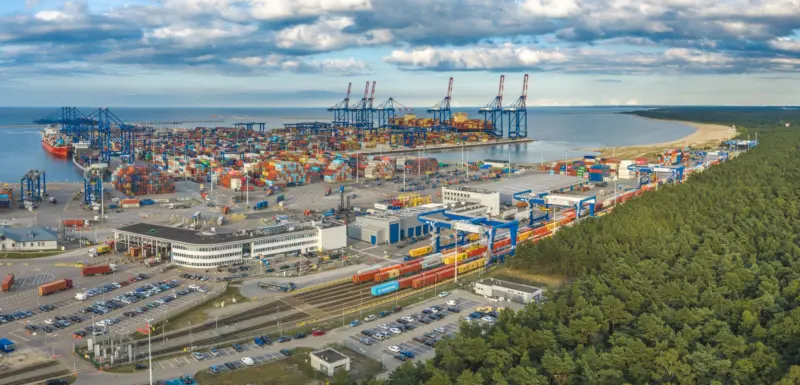
The port also plays an important role in the shipping process, with the vessel needing to safely and efficiently access the port where the cargo is to be loaded or unloaded. This requires close communication between cargo owner and terminal, with port limitations such as draught and quay loading limits needing to be identified before a vessel is fixed. Kalnyi highlights that it is “risky to confirm a vessel unconditionally before obtaining all necessary approvals”.

Kalnyi must navigate the benefits and limitations specific cargo and ports provide when deciding on a vessel. A “vessel that initially appears attractive because of its freight rate can ultimately become the more expensive option” if the ship proves incompatible with the port terminal.

Any initial saving can become “consumed by additional port time, equipment costs and possible demurrage”. For Kalnyi, “there can be no compromise concerning a vessel’s technical suitability”. But, as Kalnyi notes, even careful planning cannot eliminate every risk associated with port operations.

He draws on the example of a shipment of technological equipment from Italy, arranged by Kiev Shipping Ltd in 2025, when the port handling the shipment “came under a large-scale drone attack” . The incident demonstrates that, even with a “carefully prepared schedule”, ports and shipping remain exposed to wider political circumstances.


Bringing the requirements together

Kalnyi highlights how “the cargo owner’s requirements, the vessel’s technical capabilities and the actual conditions” at the loading and discharge ports “must all be considered together”.

A recent example involved shipping equipment from a dismantled thermal power plant to Niigata, Japan, and Qingdao, China. The project proved to need “particularly careful preparations” as some of the turbines and other equipment had “non-standard dimensions and considerable weight” resulting in the need for a very specific vessel.

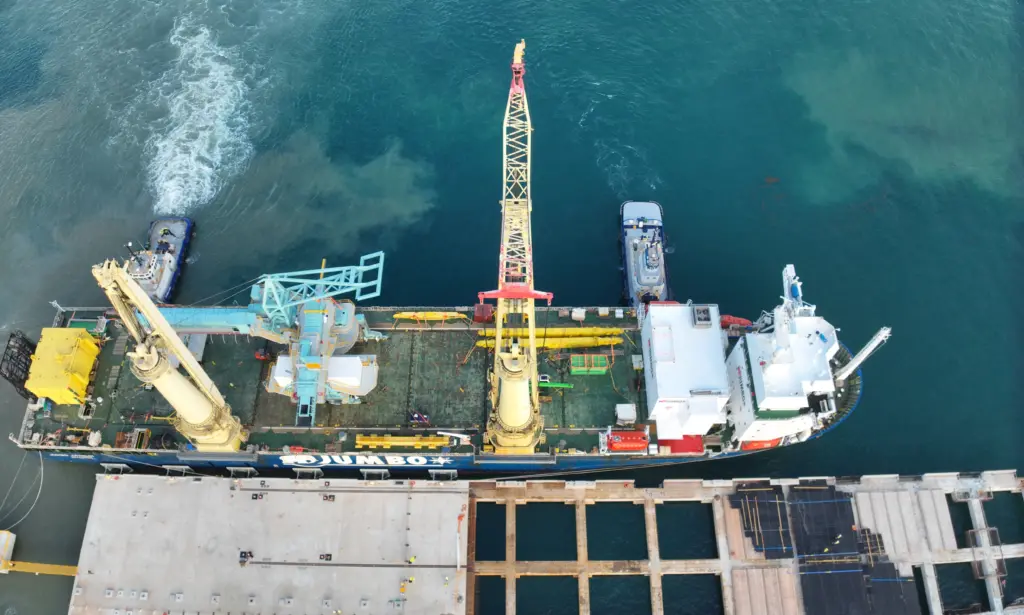
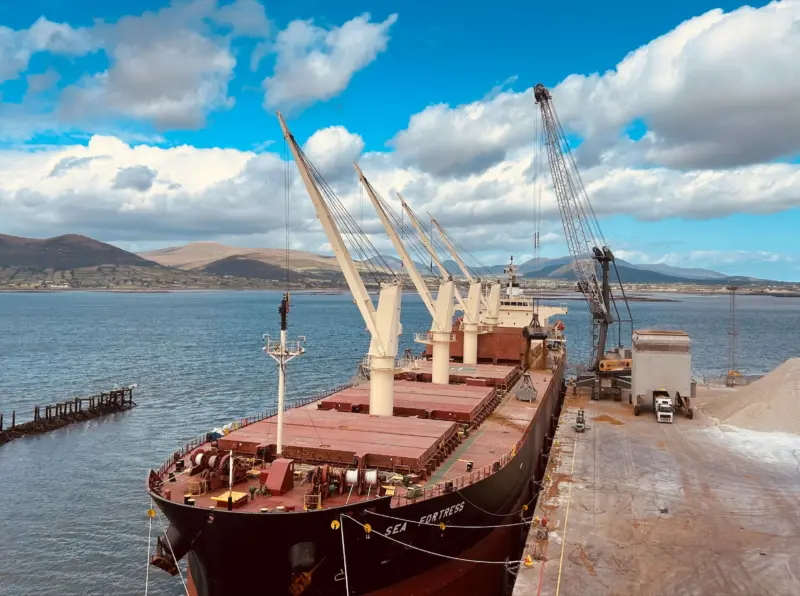
The dimensions and weight of the cargo unit had to be assessed against the vessel’s hatch opening and hold dimensions, crane capacities and operating outreach. The vessel also needed to accommodate the required loading sequence for the two destination ports, ensuring that the cargo could be loaded and stowed in an order that would allow for smooth discharge at each port.

Kalnyi’s example shows how vessel information and requirements come together from multiple sources, namely ship owners, port terminals and cargo owners.


Will collaboration become even more important?

Kalnyi, looking ahead to future developments expects the “increasing size and complexity of project cargo [to] require more precise calculations and earlier planning of every stage of the shipment’.

He notes that though the modern mobile harbour crane is becoming increasingly available as ports invest in infrastructure, there are still additional considerations. Namely, a few factors include its maximum capacity at the required outreach and the space available for moving and assembling equipment.

For Kalnyi, “the larger and more specialised the cargo becomes, the more important early cooperation is between the cargo owner, shipbroker, shipowner, terminal, engineers and cargo-securing specialists”.

It becomes clear that successful vessel selection depends on and will continue to depend on collaboration before the vessel is fixed.