

Power supply: No to stop-starting
More permanent mechanisms to advance power concepts need to be put in place by Washington D.C. to advance power concepts.
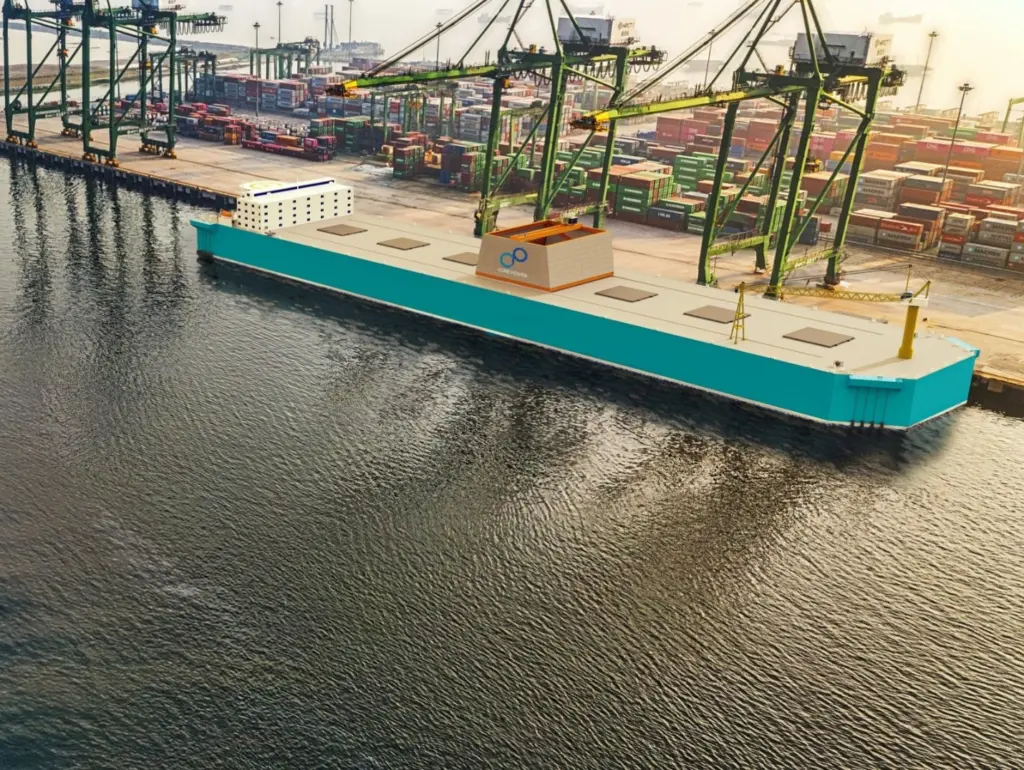
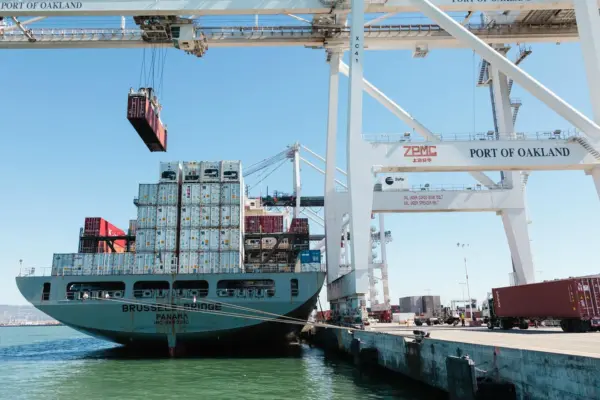
In recent months, issues surrounding power sourcing have risen to feature strongly in my mind, driven by an interest in (or disdain for, depending on the audience) data centres. Though removed from the jousting on nightly news shows, the port community has a vital interest in these discussions. Recent news from Washington, D.C. tied to overall maritime revitalisation shows a pair of ports (one on the West Coast and one in the US Gulf) cooperating with the Feds on maritime revitalisation- and this includes examination of how port infrastructure (which requires electricity) might utilise small modular reactors (SMRs). This fresh approach comes at a time of enormous disruptions of energy trade flows, which do affect power in the ports, so port planners looking ahead at infrastructure demands should keep watching the early efforts.
Some folks have problems with anything having the words “nuclear” or “reactor” attached; the problems that I have here are more concerning, the words “Democrats” and “Republicans.” The technologies have been proven, including on Navy vessels. Put simply, building up infrastructure for supporting movements of containers, or bulk cargoes including petroleum and its products, takes time – like decades.
With the election cycle’s four-year timeframe (or two years, if you look at the all-important “midterm”” contests), there is a danger that efforts to advance SMRs (or maybe some other power source suitable for ports) may advance and then face continual “stop-start.”
My fervent wish to folks in Washington, D.C., who are reading this, is that they look behind the dates of the next elections, and work towards putting more permanent mechanisms in place that could advance the SMR and other concepts forward even as Administrations enter and exit, and the complexion of the Legislative branch shifts between red and blue, with varying shades of purple mixed in.
As I have looked at uses of nuclear technologies in ports, and also aboard commercial vessels, my observation has been that the technology is the easy part; besides the political disconnects, there are many regulatory hurdles, both domestically and internationally, that will need to be overcome. At least one newly announced initiative, between a leading US flag owner serving West Coast ports and an Asian partner, borrows from various Green Corridor type initiatives – namely, start out in a pair of ports (or regional cooperatives) and then hopefully build it outward.

Related Articles
 INSIGHT & OPINION
 INSIGHT & OPINION
 INSIGHT & OPINION