![PortStrategy[GreenPort]](https://www.portstrategy.com/wp-content/uploads/2026/09/PortStrategyGreenPort.svg)




The challenges facing the Greening of the shipping sector
It will take decades before we see the end of marine oil-based fuels and the alternative fuels, particularly LNG, may not bring the benefits touted.
Much has been written and even more discussed about the international shipping industry moving from the traditional polluting bunker fuels known as heavy fuel oil (HFO) to marine gas oil (MGO), a distillate to very low sulfur oil (VLSO) and now followed by the “greener” varieties of engine fuels such as ammonia, hydrogen, LNG, LPG, methanol some with support of batteries and scrubbers and, in some minor cases, a return to sail assistance.
Let’s put this into some perspective. There are +/- 58,000 internationally trading merchant ships plying the oceans. Today, over 99 .6 per cent of these, according to the DNV, operate using conventional fuel oils leaving less than half a per cent using the alternative cleaner and greener fuels, and these ships are primarily containerships. It is estimated that by 2025/2027 the non-conventional fuel burning ships will reach somewhere near 20 per cent of the total fleet made up primarily of containerships which by then will number in the region of 5700.
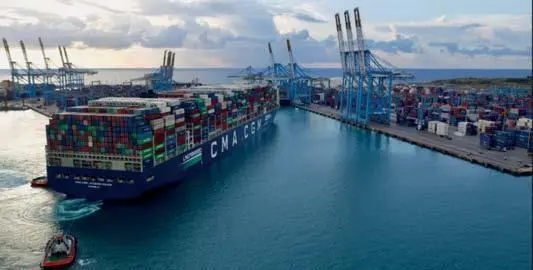
The majority of the alternative fuel ships will be powered by LNG based on the current order book. It is interesting to note that Maersk Line has opted to invest in ships burning methanol whilst CMA CGM and Hapag Lloyd have opted for LNG.
The availability of production and distribution facilities as well as an adequate bunkering infrastructure will be a challenge for the main global bunkering ports in order to service their clients. New fuels in many cases require extensive on-board modifications, which lead to increased costs for the carriers. It will be interesting to see how the chosen fuel price differentials work out and whether they can provide greater stability than crude oil-based fuel has done in the past.
The other challenge facing the ship owning industry that is investing in alternative fuels is to prove that their new choice of propulsion is in reality, not just in theory, greener and more environmentally sustainable.
There are already groups protesting the emissions from LNG in particular and methanol as well. Two highly active ones are “Say No To LNG’s” and the ClimateWorks Foundation. The contention is that LNG ships will produce methane emissions replacing CO2, neither of which is desirable. The financial impact on ports and ship owners is yet to be determined.
Related Articles
 INSIGHT & OPINION
 INSIGHT & OPINION
 PORT & TERMINAL NEWS