
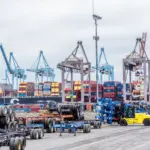

Allowing vessels to sail deeper can provide environmental benefits
In March OMC International headquartered in Abbotsford, Victoria, Australia, opened a new South American office located in Bogota, Colombia, with the aim of making the region’s ports and waterways more efficient and safer by introducing UKC (under keel clearance) management technology to the continent’s shipping industry, particularly for bulk carriers.
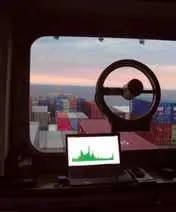
Executive director Dr Terry O’Brien said that OMC’s award winning navigation technology could help boost South American trade because it allowed vessels to carry more cargo while ensuring safe navigation through shallow, draught-restricted waterways.
The company’s Dynamic Under Keel Clearance (DUKC) system is unique in its capacity to accurately determine the critical vertical component of navigation (what cannot be seen under the water) during actual vessel transit, where one centimetre of extra UKC could mean the difference between 130t of additional cargo or potentially catastrophic contact with the sea bed.
This latest expansion follows the opening in 2008 of a UK office which has helped OMC promote its DUKC systems and support its European installations, including Lisbon and four ports along the River Weser waterway in Germany. DUKC is currently in 19 ports worldwide, including most major Australian ports. Over the past 18 years the DUKC system has provided more than US $10 billion in economic benefits to ports and port users, helping to prevent groundings and environmental disasters.
OMC has been a pioneer in introducing science to aid harbour masters’ decision making in relation to UKC management. The company also specialises in ship motion analysis, optimised channel design and mooring systems analysis and design.
Apart from safeguarding against the risk of vessels running aground, with serious environmental implications in the event of structural damage, DUKC allows ships to sail deeper at a fraction of the cost of dredging, an operation which itself has a negative impact on the marine environment. It also leads indirectly to a reduction in carbon emissions by allowing fewer overall sailing for the same cargo tonnage.
Related Articles
 EQUIPMENT
 ALTERNATIVE FUELS GREENPORT